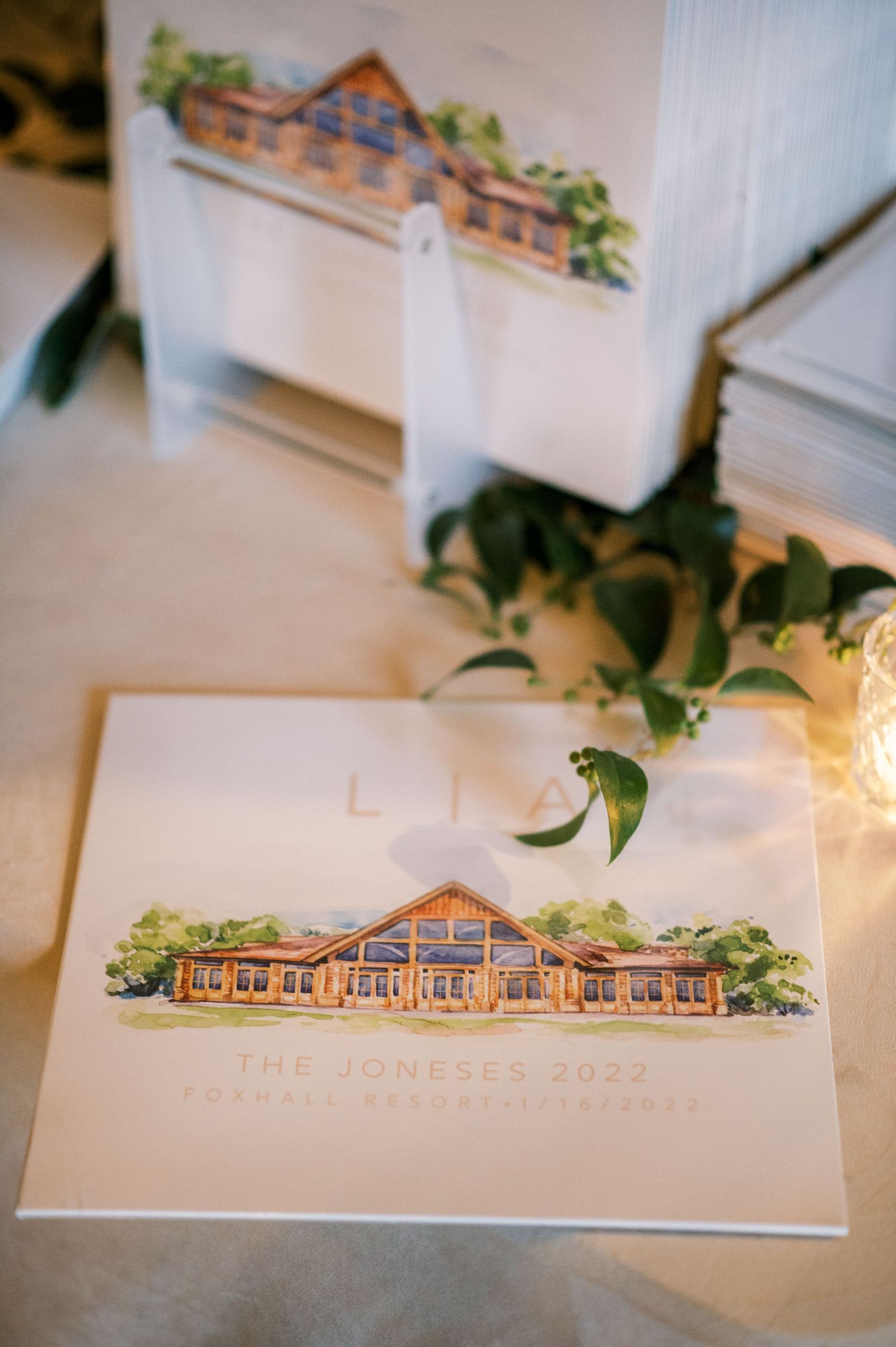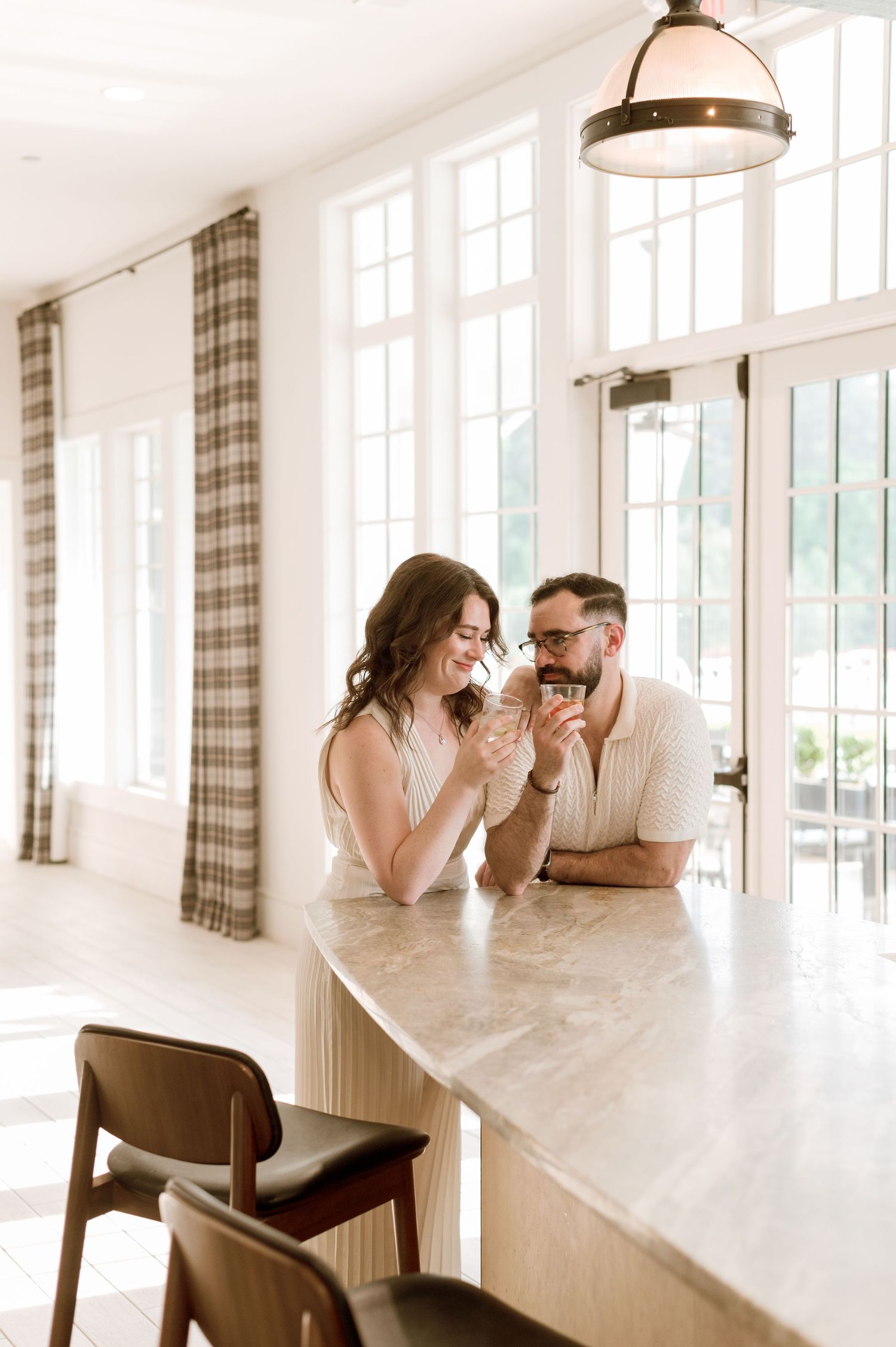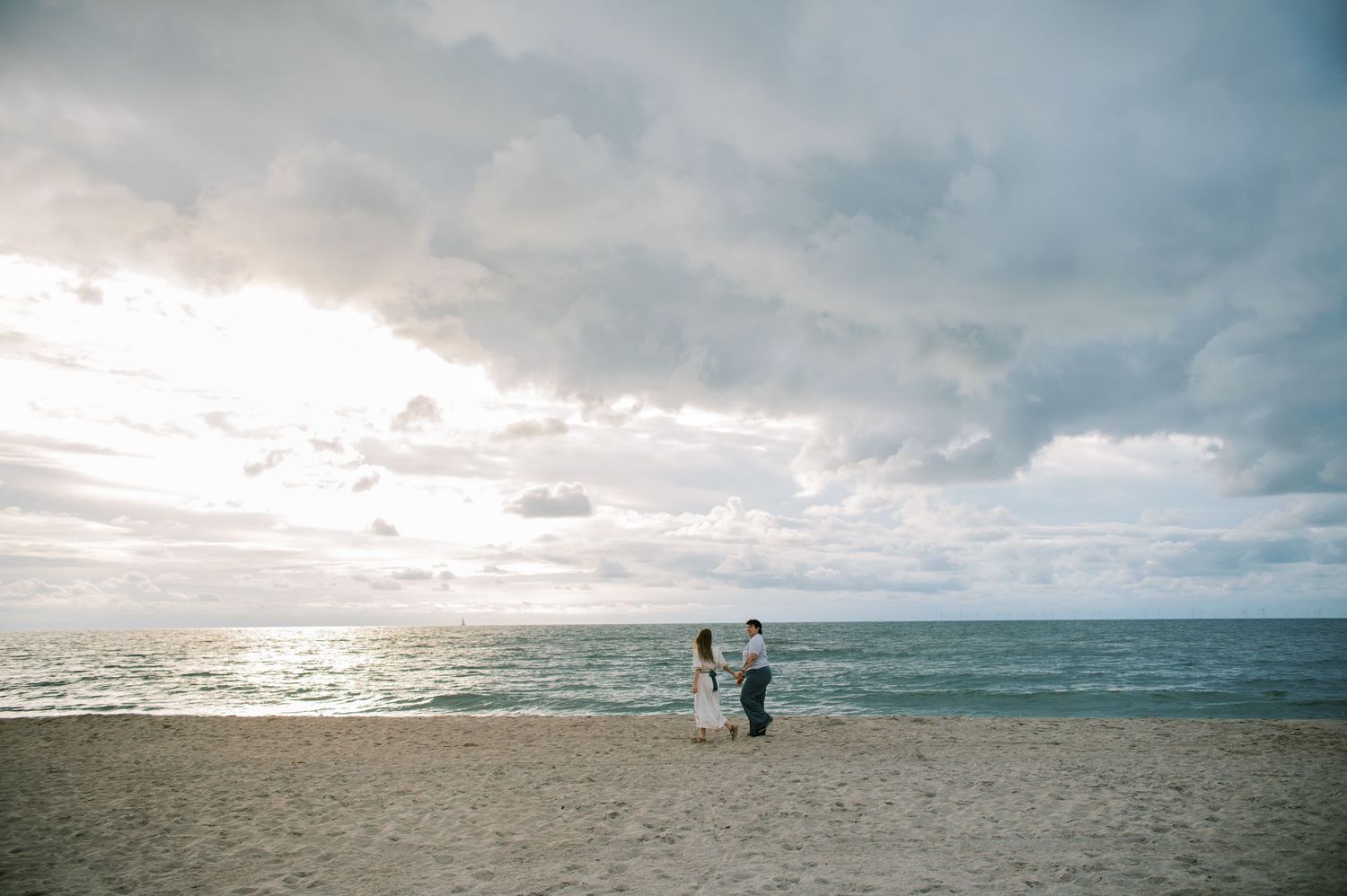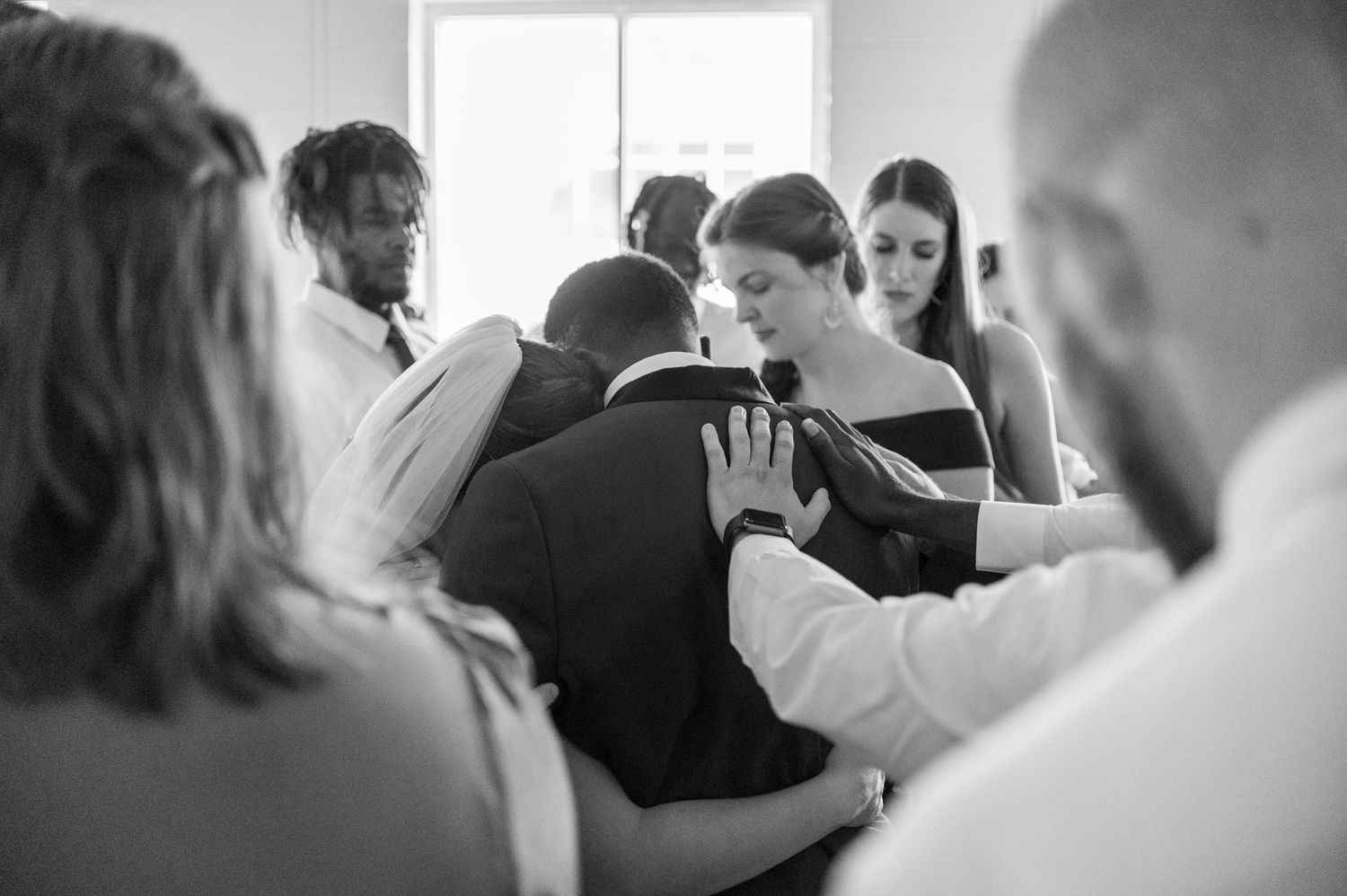
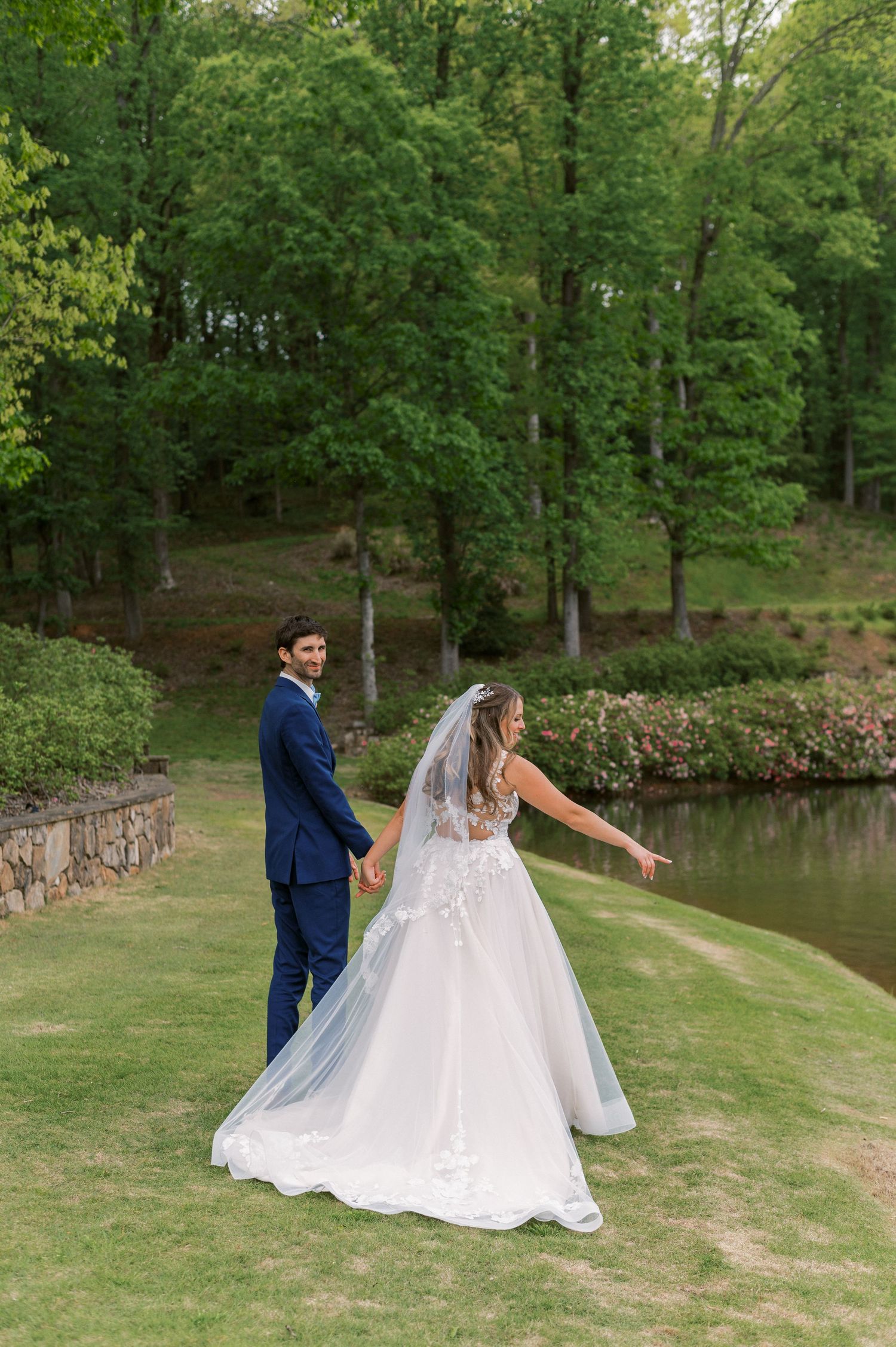
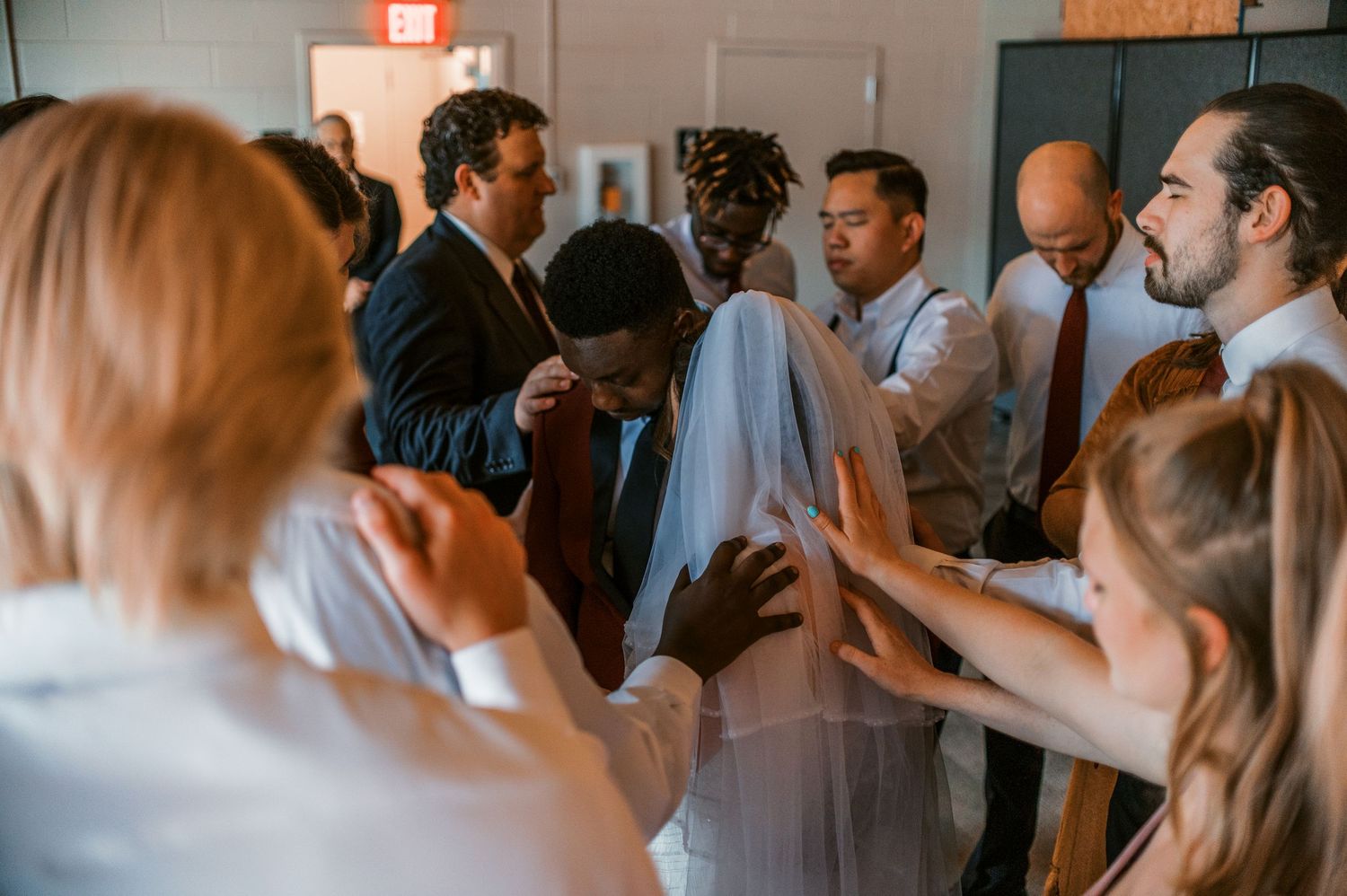
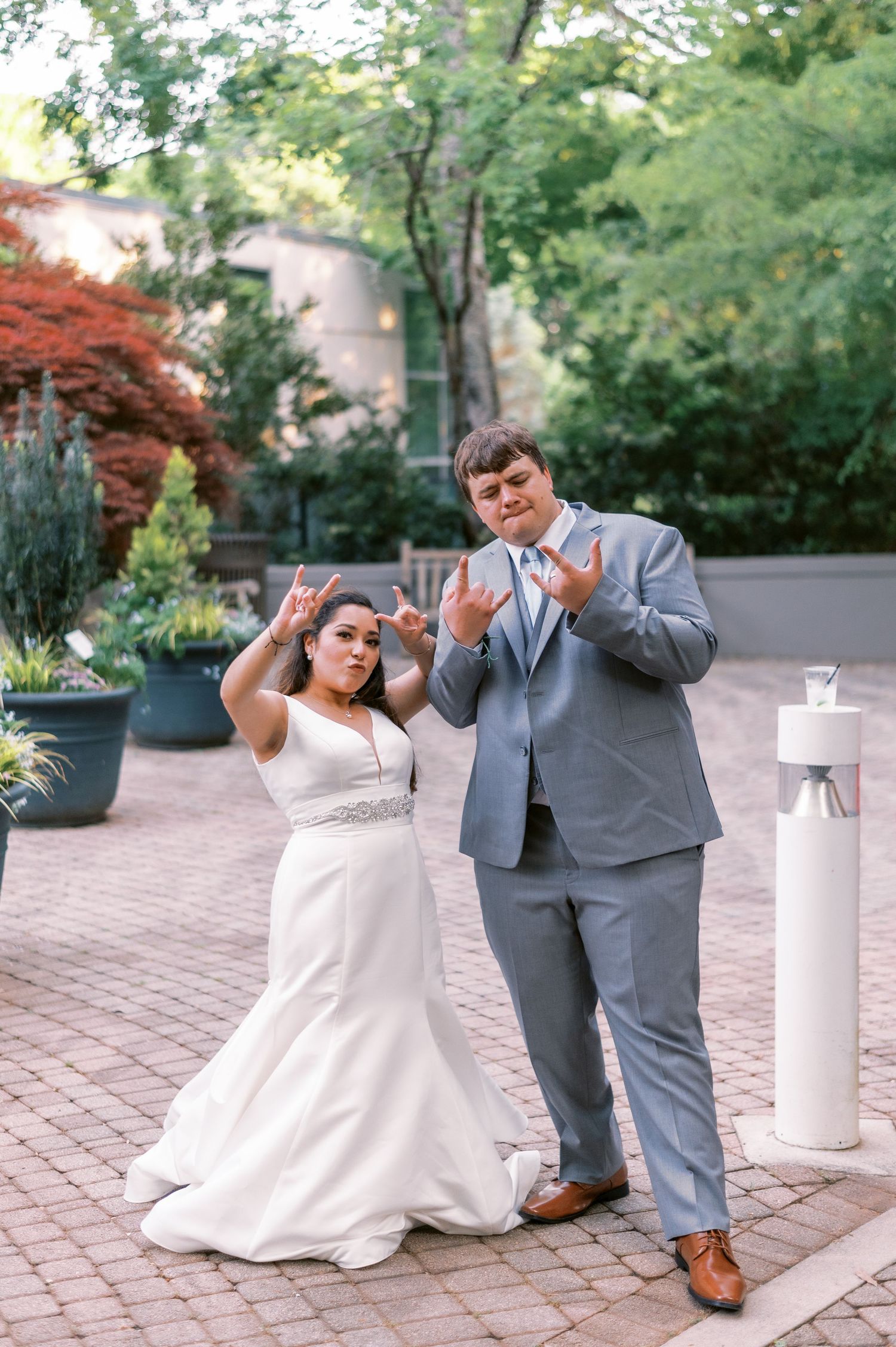
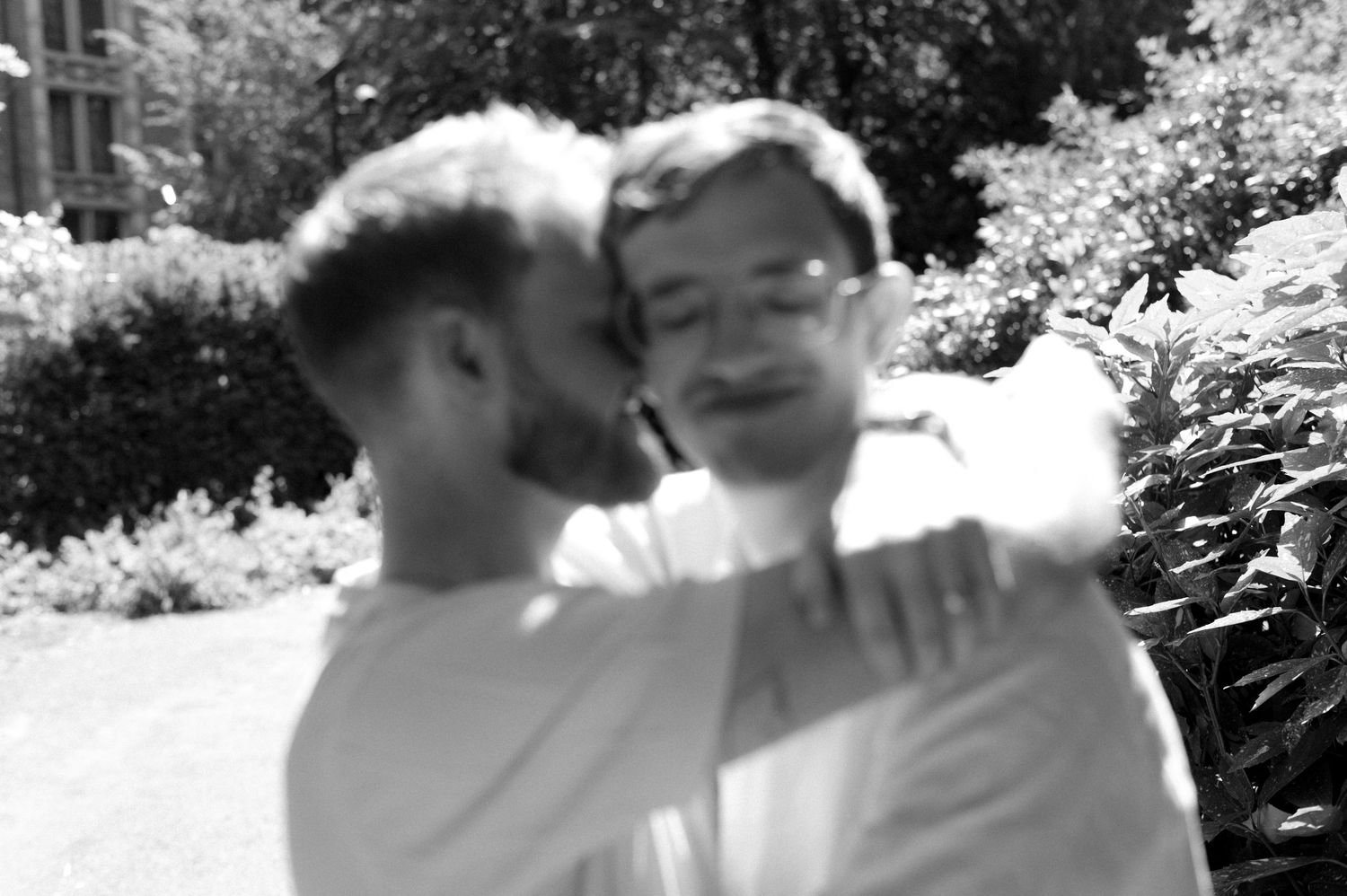

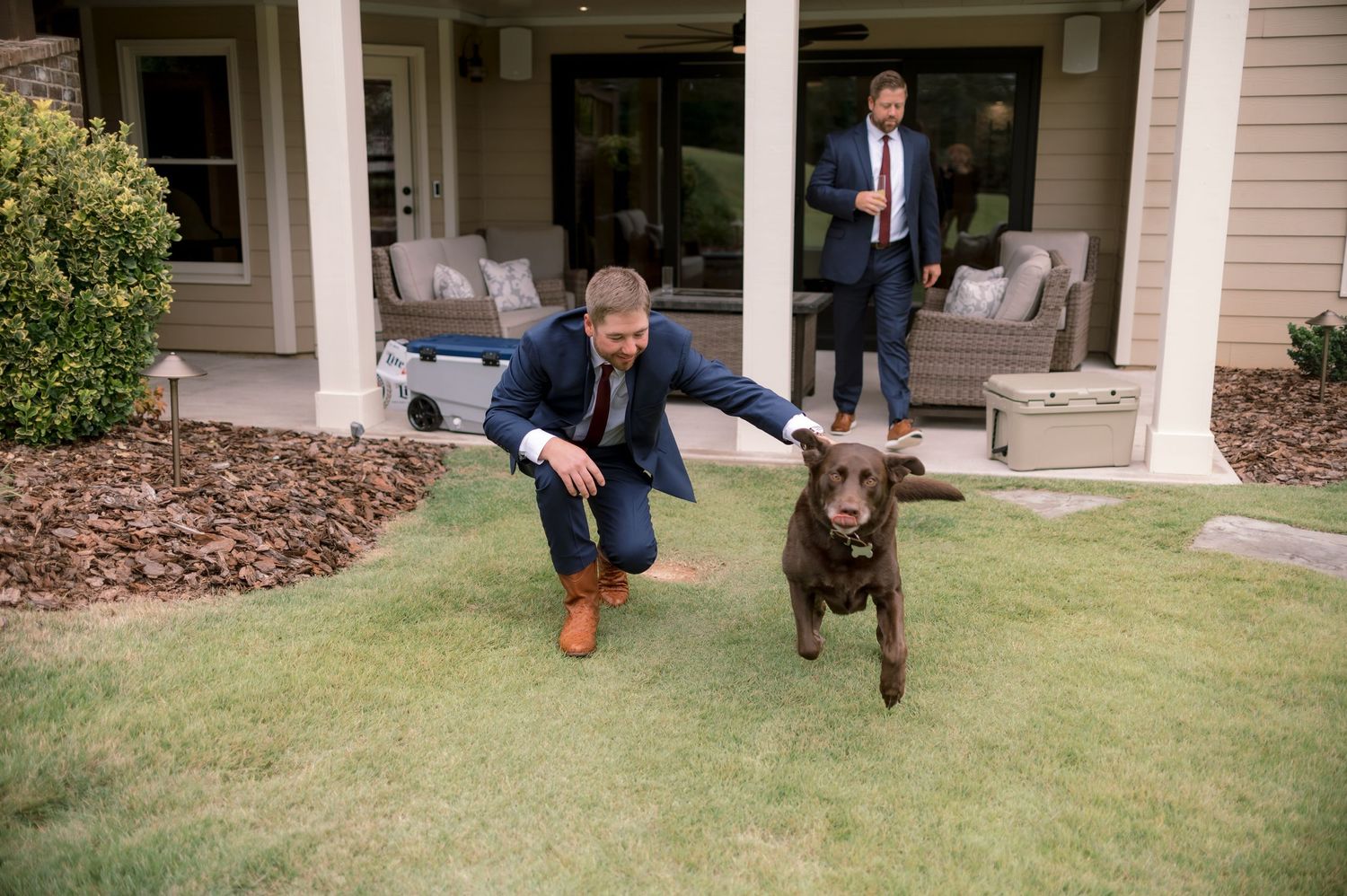
One of the most common things I notice after delivering a gallery is that the photos I'm most excited about, the ones I can't wait to add to my website, are never the ones my couples race to download first. This is because you, the client, and me, the photographer, are looking for different things.
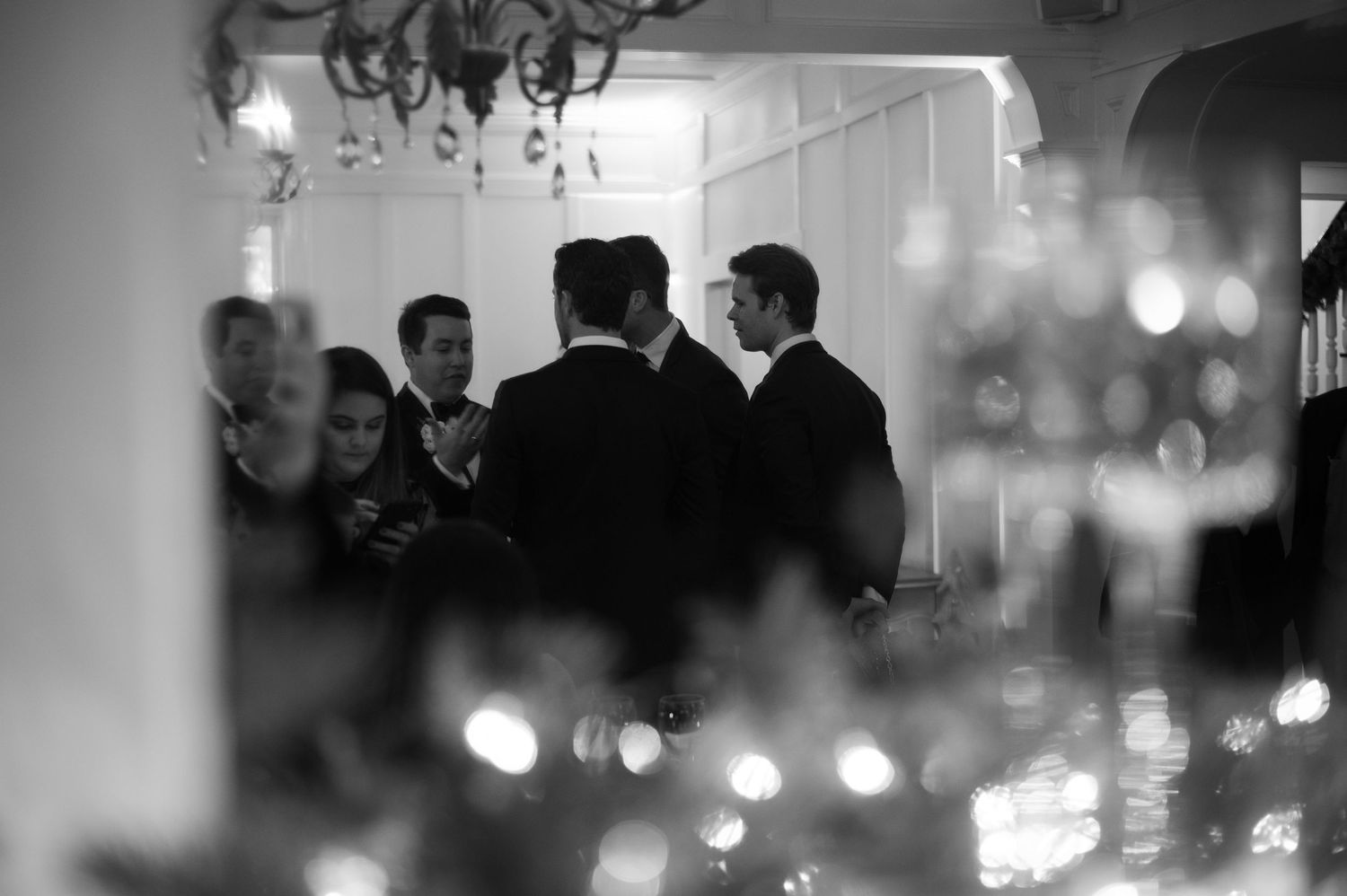
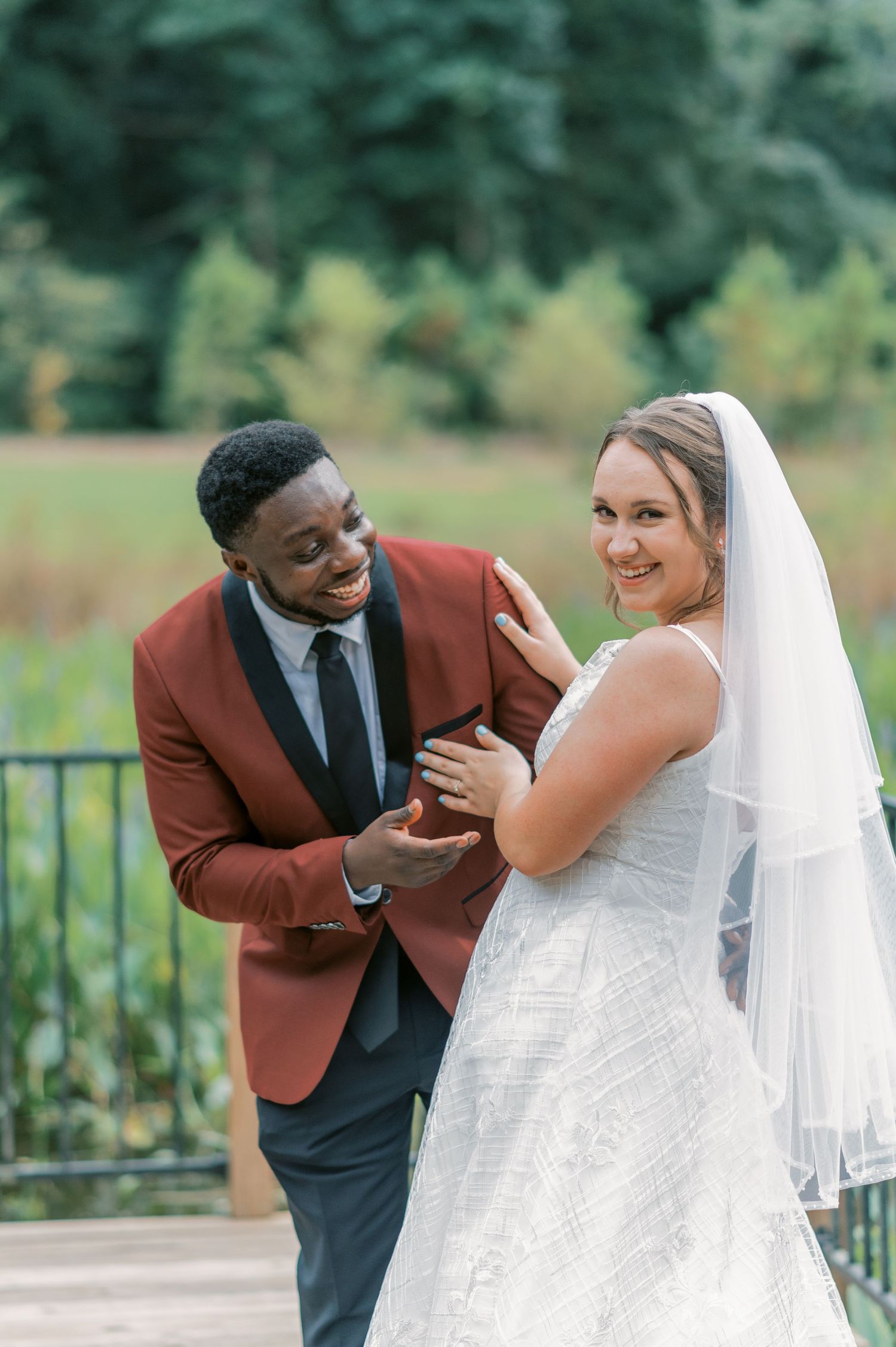
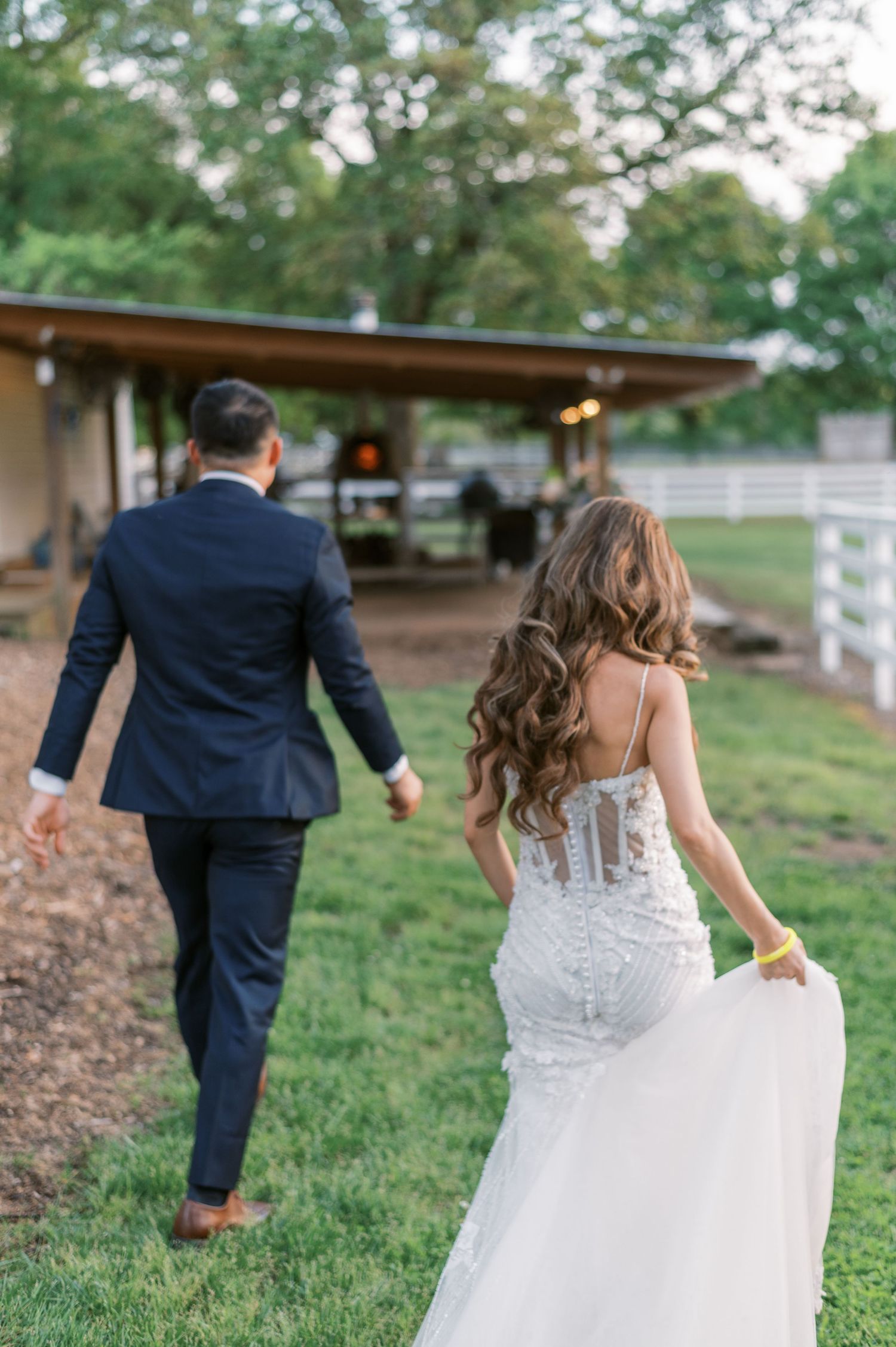
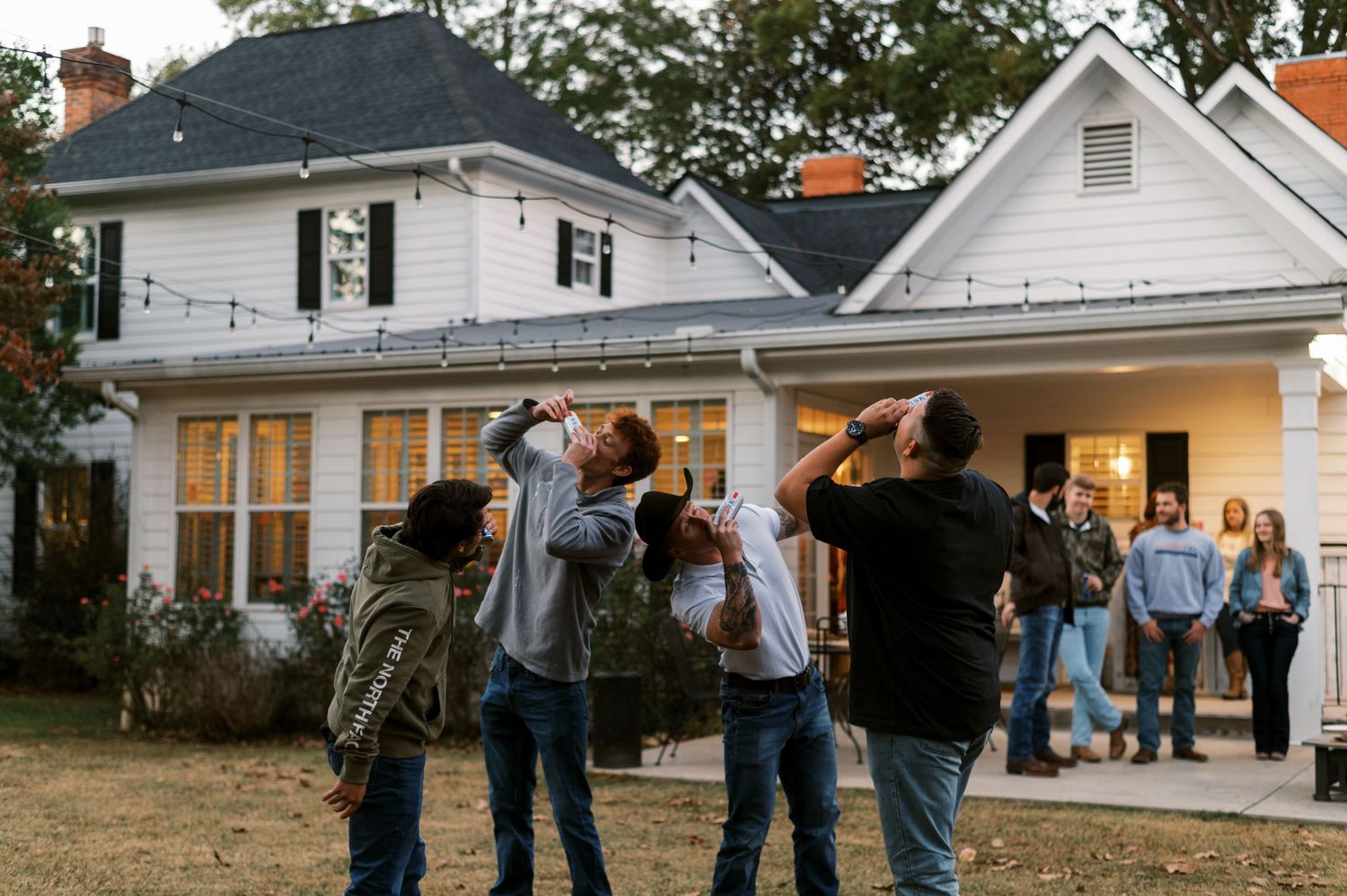
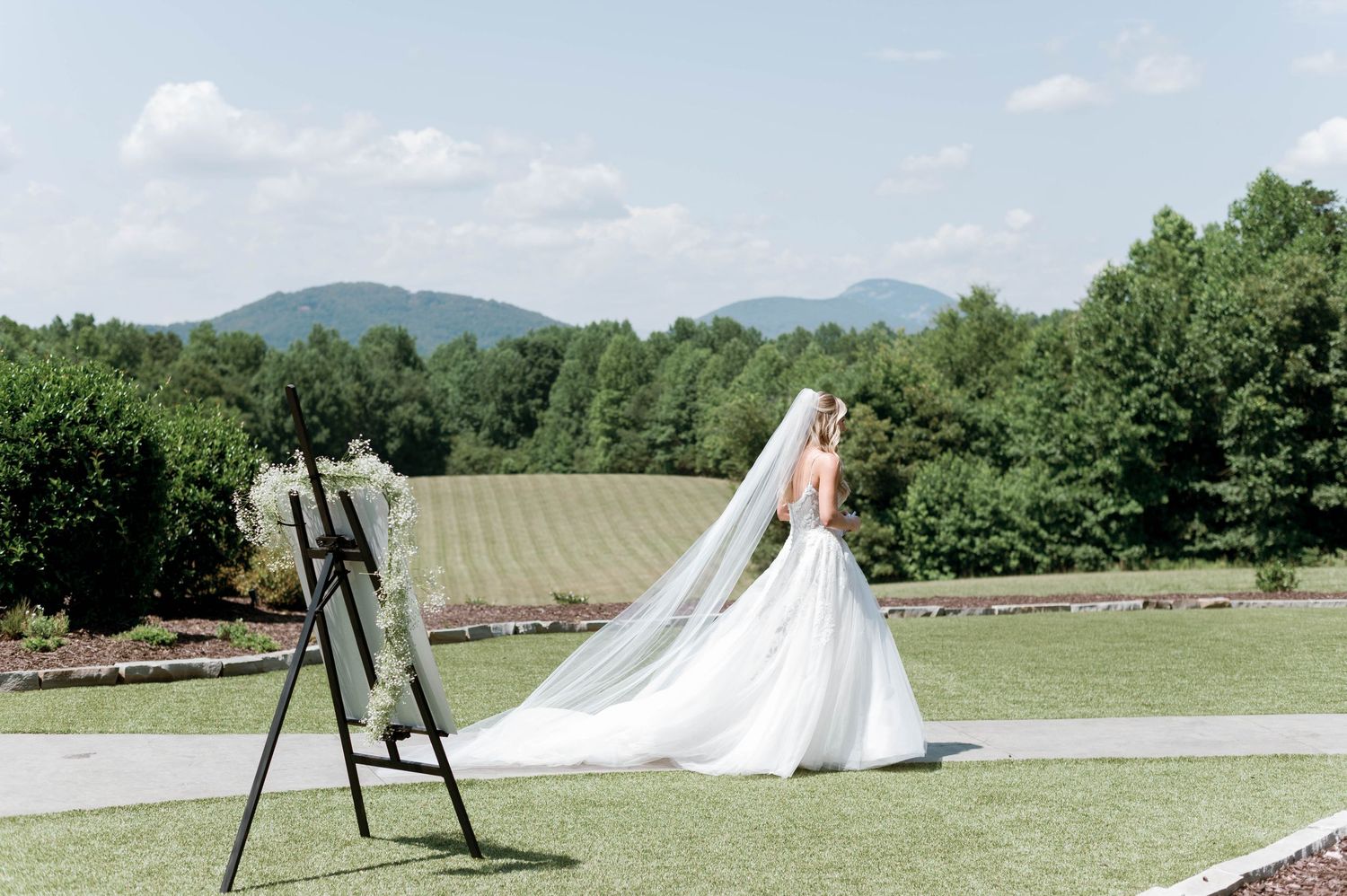
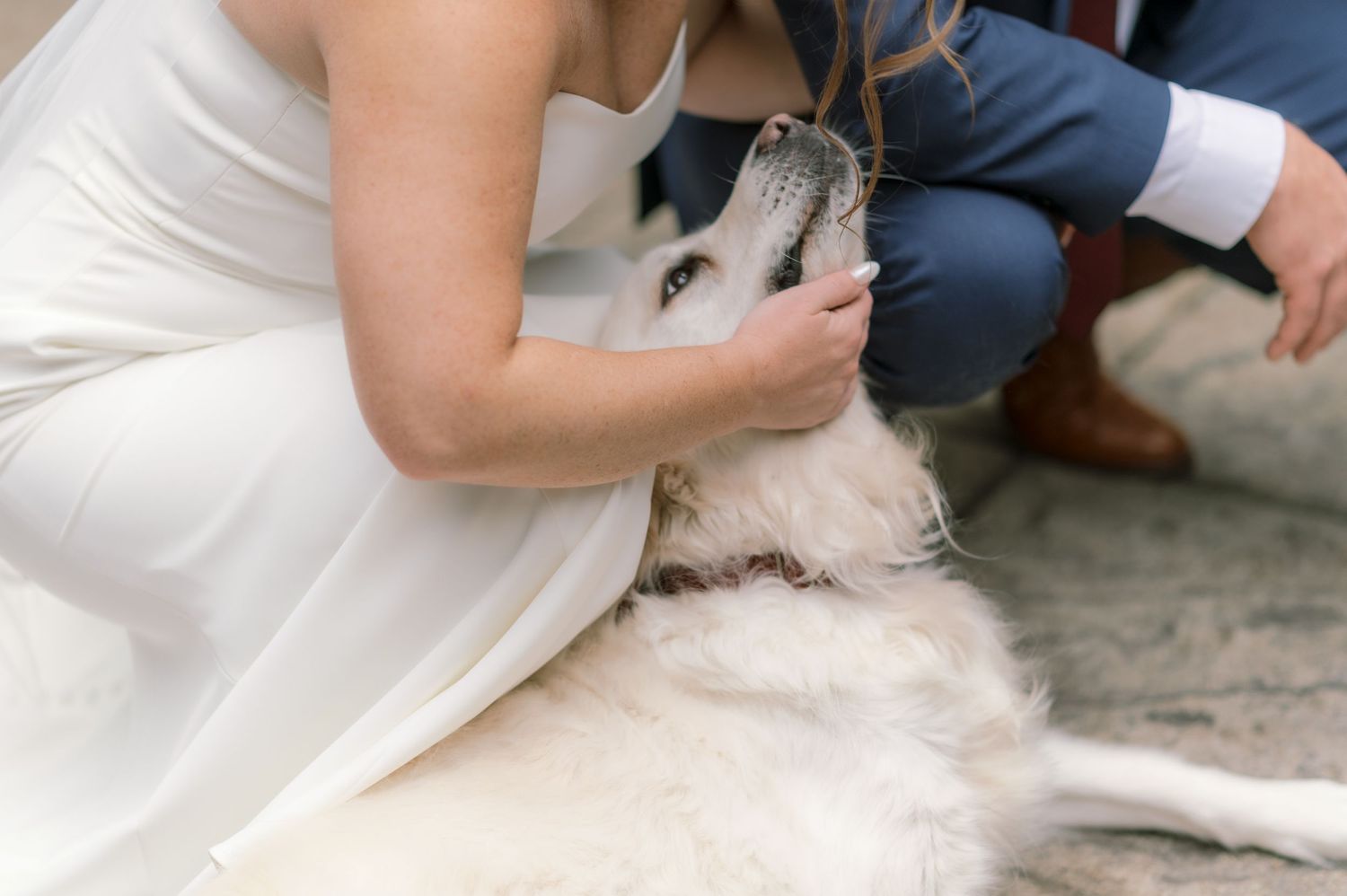
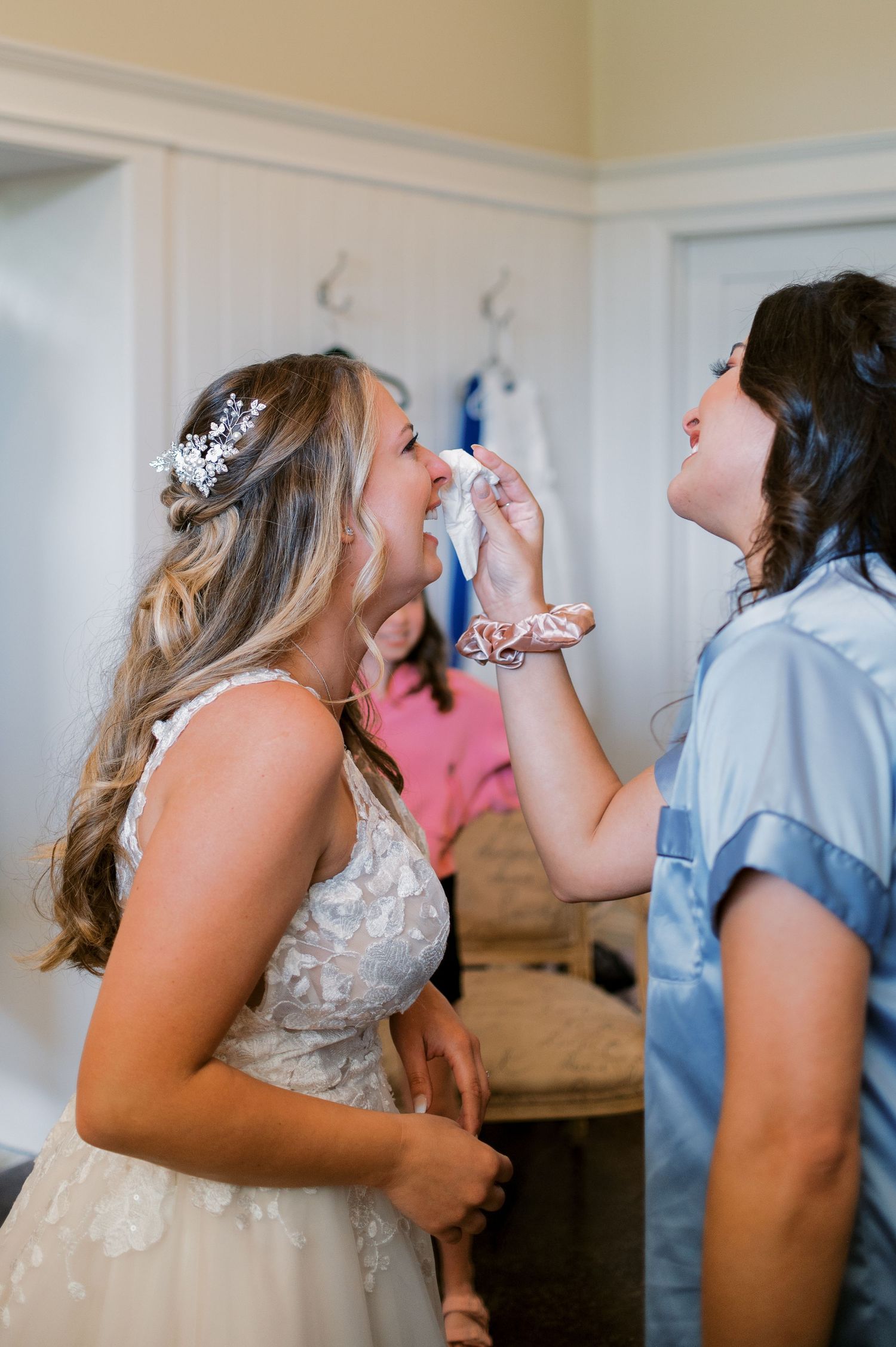
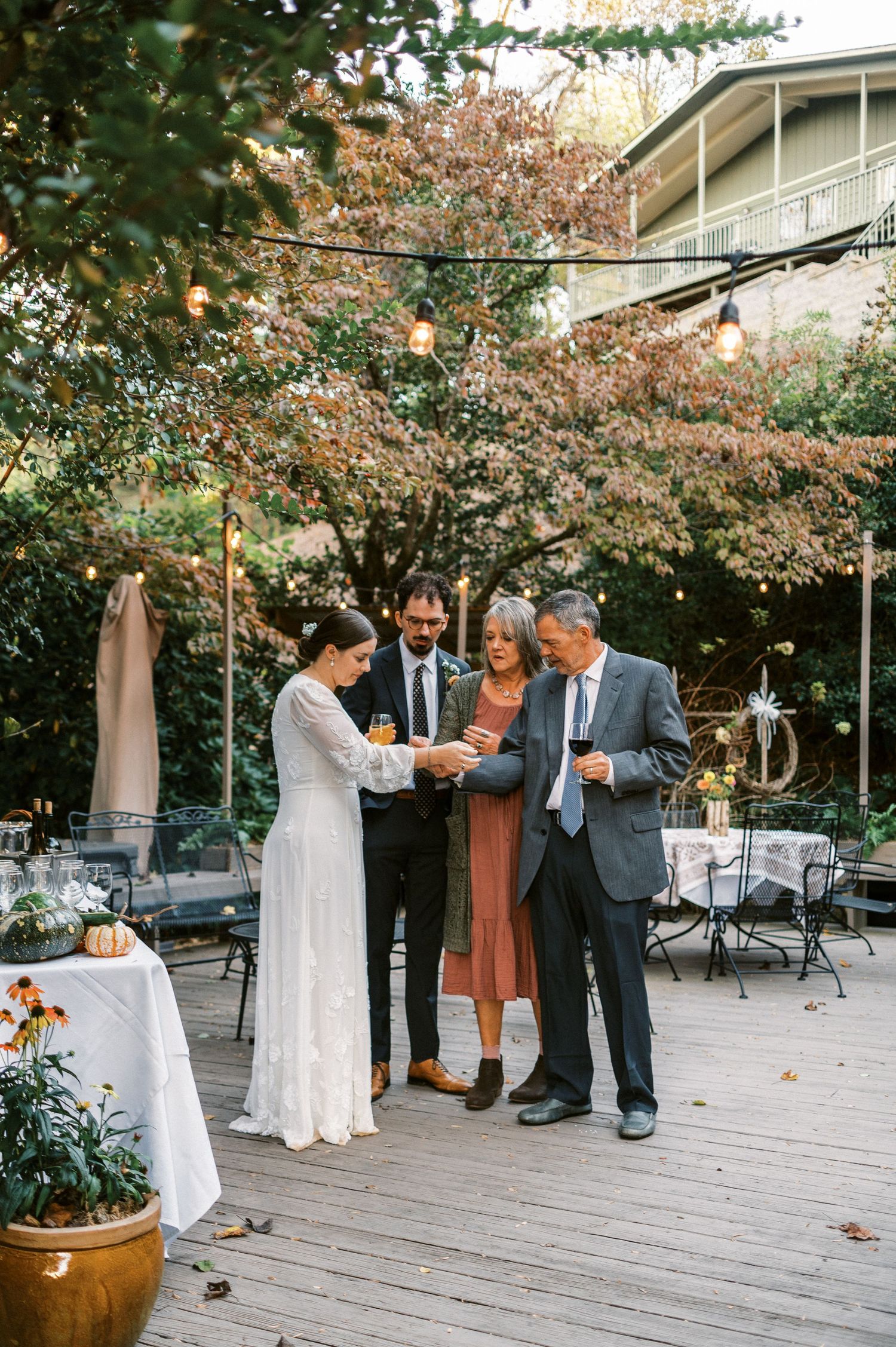
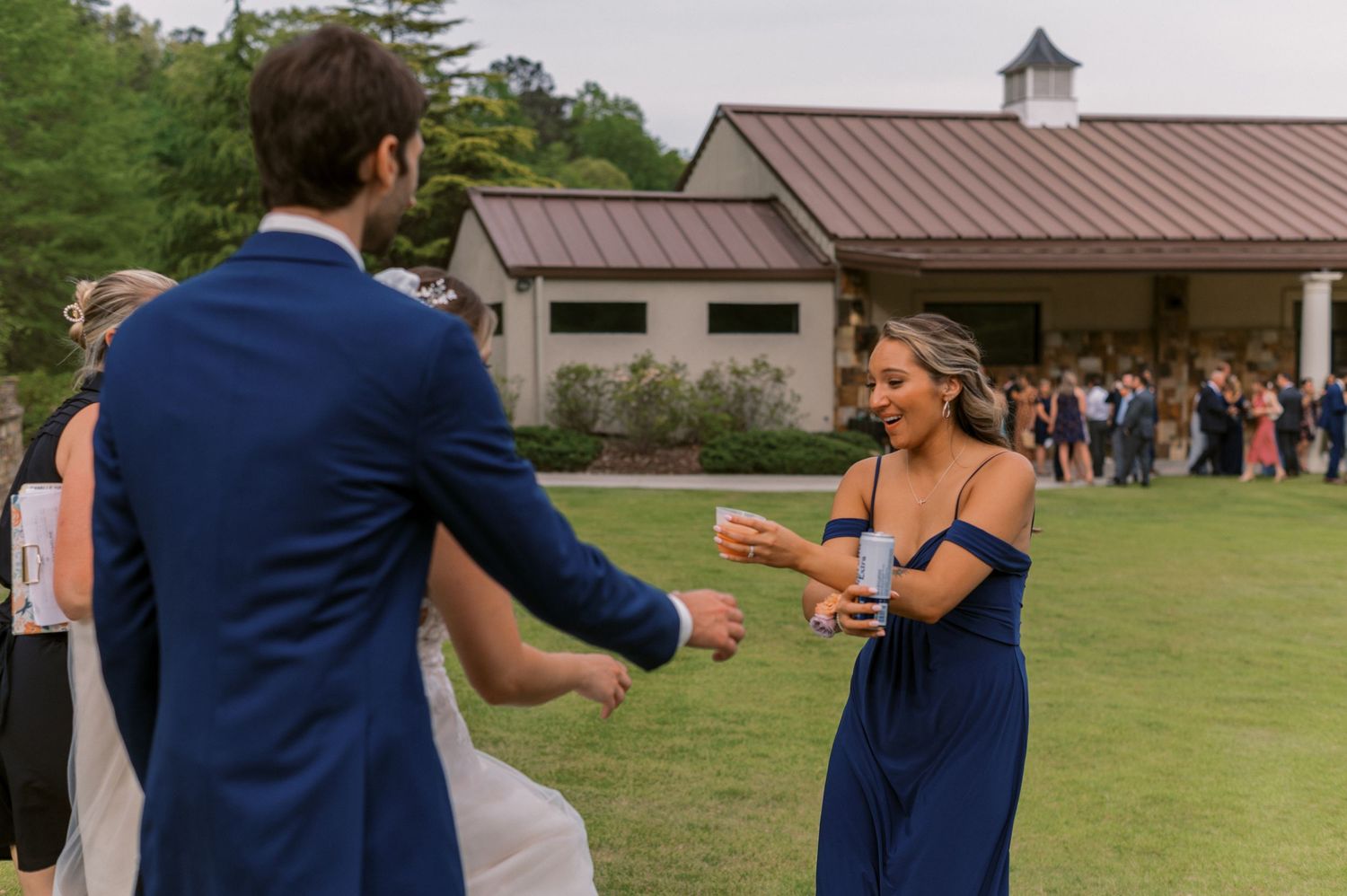
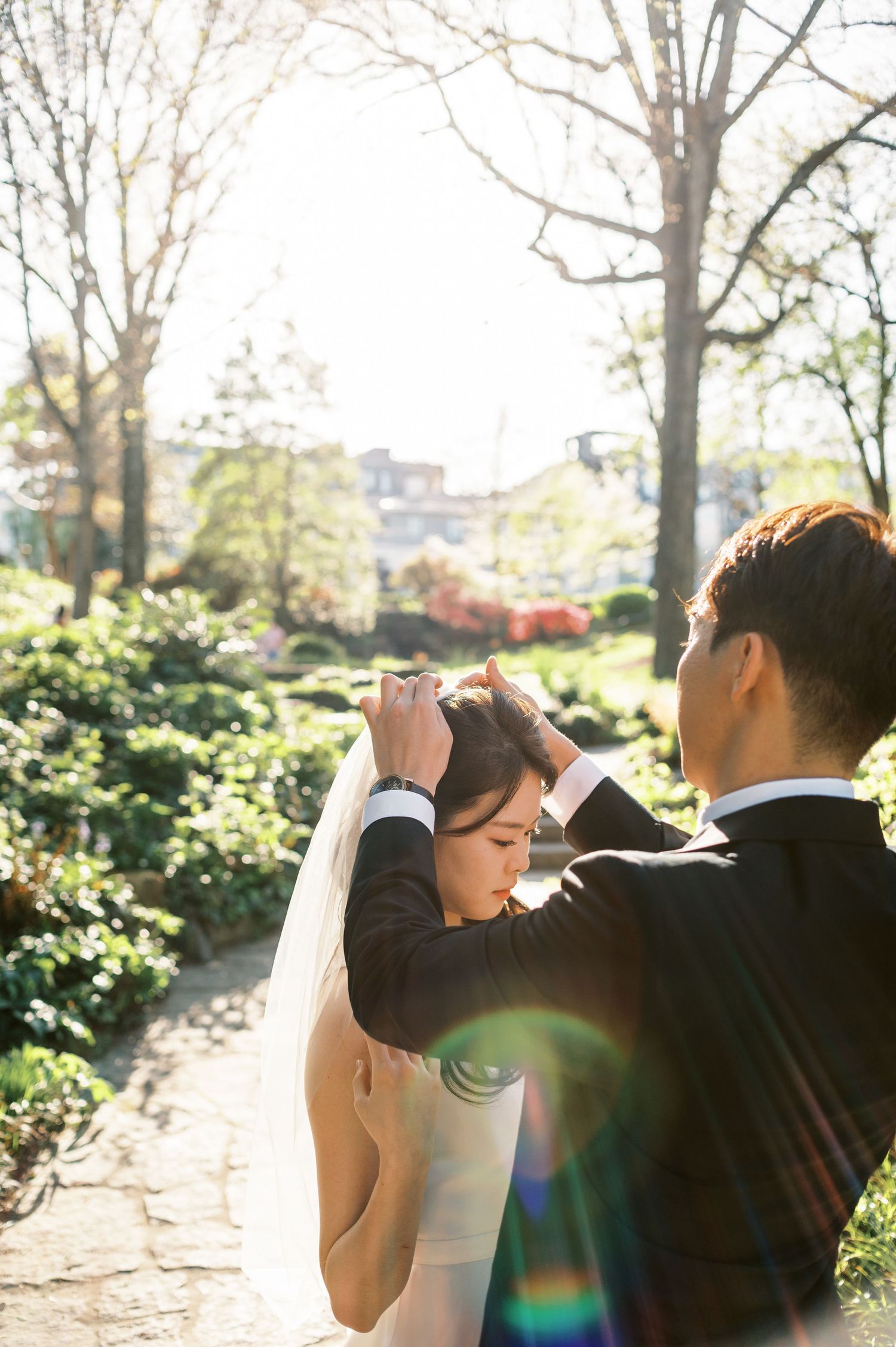
Have you ever noticed while scrolling through a photographer's website or social media that their images are sometimes crooked, blurry, grainy, or maybe even weirdly cropped? Wedding photographers rarely post overly posed portraits of the entire bridal party standing in a line or the extended family portraits that you spent so long meticulously organizing. Instead, we tend to highlight the entirely candid shot of your partner adjusting your veil or the quick beer you downed right after the ceremony.
You will probably look back most often on a portrait; you and your loved ones smiling and looking directly into the camera, and that's the kind of image that ends up framed above a fireplace, printed on a Christmas card, posted on social media for Father's Day, or set as a phone background.
Upon first glance, you will see yourself and your loved ones. You have a personal connection to everyone present, you check to make sure all eyes are open, smiles look natural, everyone's hair and clothing are behaving. A photographer doesn't have that personal connection to all your family and friends but we are wholeheartedly dedicated to capturing and communicating the moment. Were the smiles real? Is my exposure perfect so that the viewer can see the happy tears on mom's cheeks? Do the light and shadows pull the eye to the newlyweds and is there symmetry, balance, connection?
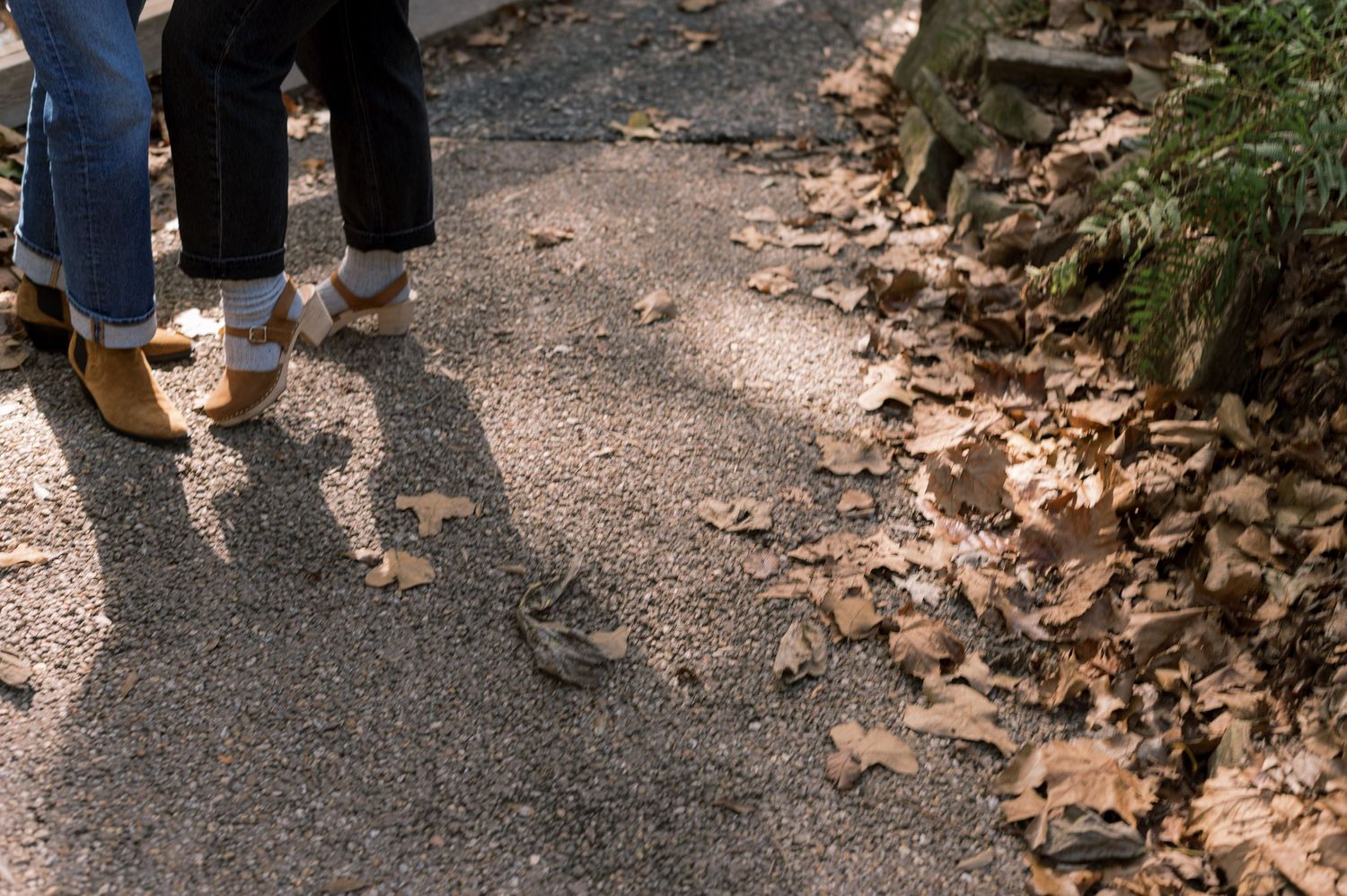
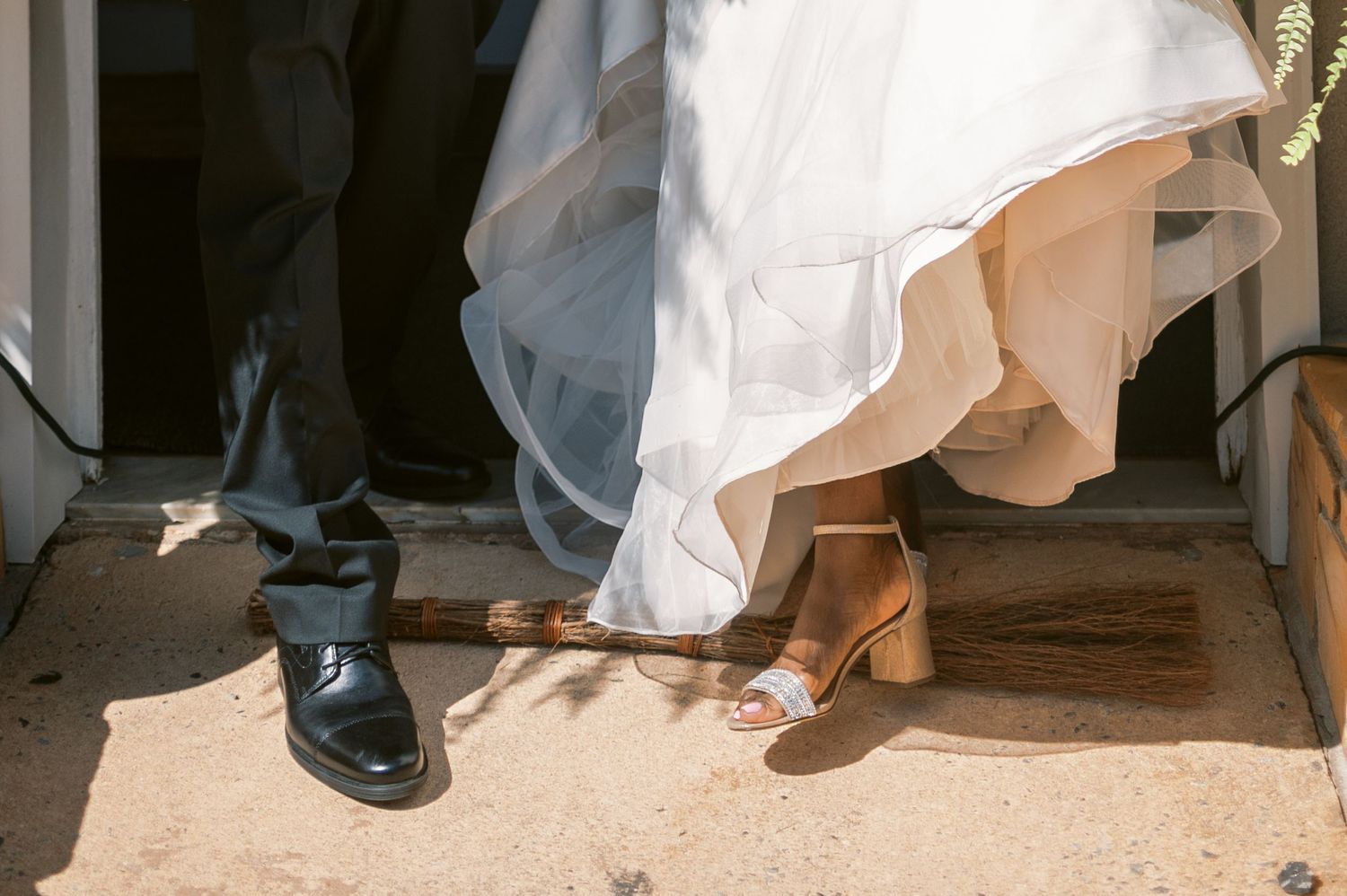
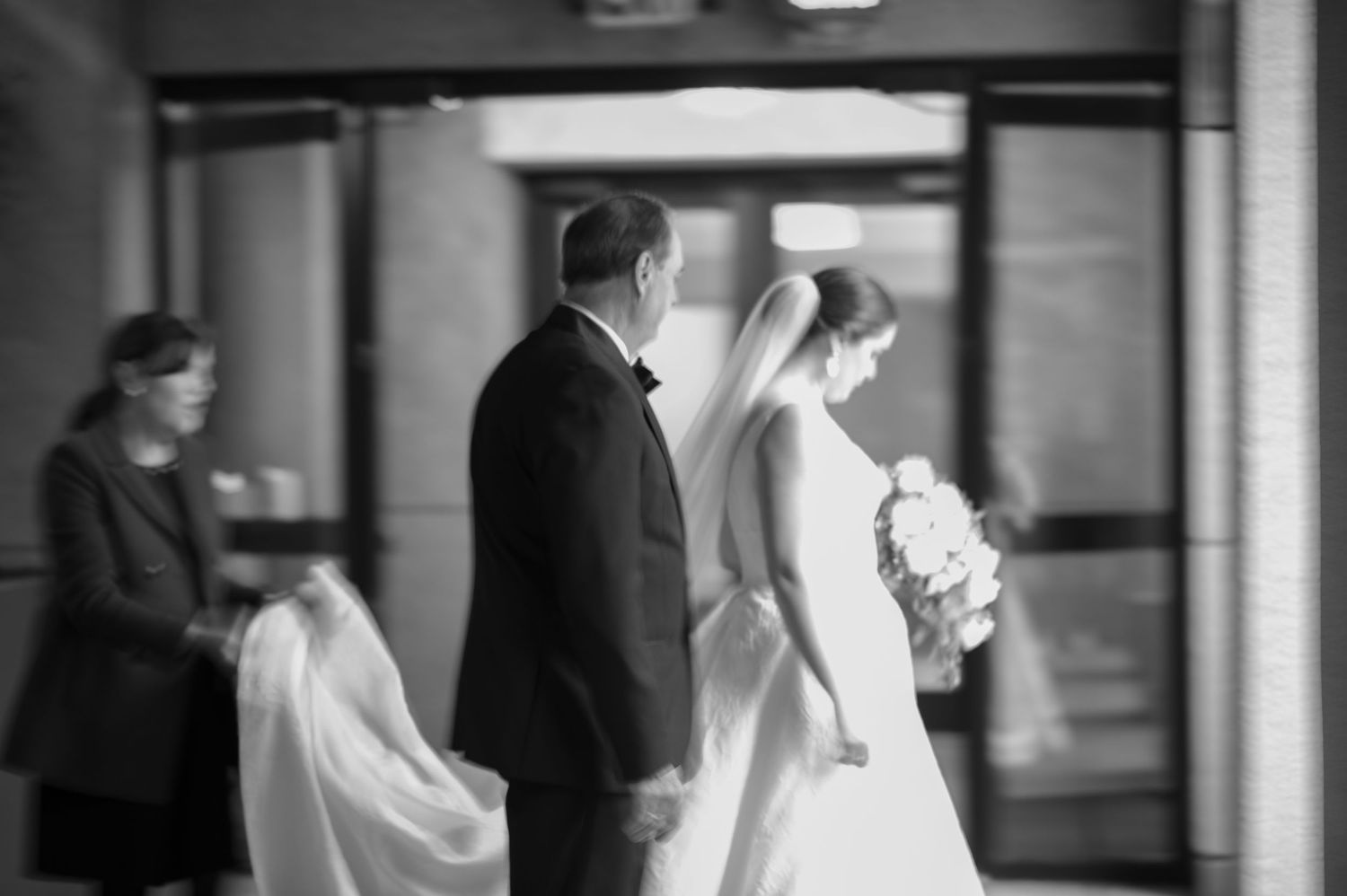
A photograph can be technically imperfect while being emotionally perfect, and ultimately that's what we're in the business of doing. Immortalizing emotion. Many of these "imperfections" aren't accidental at all because the little tweaks we make can enhance the story. For example, a photo taken during the reception could have been shot perfectly level, but tilting it just a little suddenly communicates how chaotic it was when a particular song came on, how crowded the dance floor was, how much fun we all had. We might add blur to communicate intimacy in a private moment, we might add grain to convey the feeling of time standing still, we might include a photo of your shadows on the ground to remind you that dry, brown leaves crunched under each of our steps.
It should also be said that over time, something interesting happens with how we consume our photos and in the end, posed portraits remain important but may become a little less so. I learned this personally when I had professional photos taken of my grandparents back in 2017. At the time, the photos I was drawn to most showed smiles and laughter, but my grandfather passed away in 2025 and now when I look at those photos I more deeply appreciate the ones where he wasn't smiling at all because that's how he most often appeared - a little stern, a little grumpy.
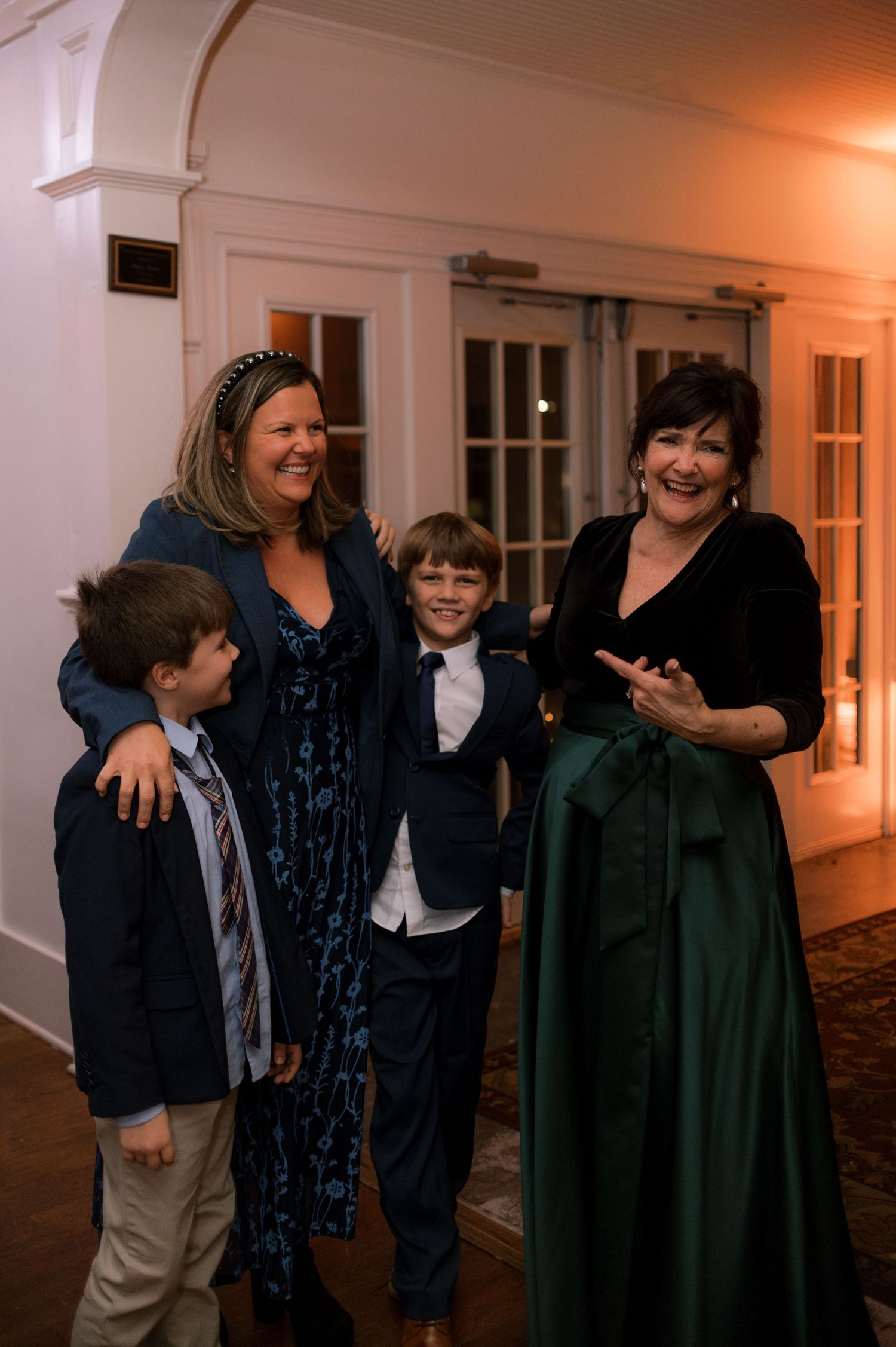
Over time, we will all add wrinkles to our faces and change our haircut and hair color and, at some point, the front-facing portrait won't quite match the person we see in the mirror or the people we laugh with at family reunions. Instead, the images of our heads tossed back in laughter, our double chins on full display, our teary eyes, our softest gazes, those are the things that defy time and are what will serve to remind us of how it felt to be there together.
In the end, a good gallery should transport you back to a feeling, not just a moment. To do so, it should include both perfectly posed portraits and crooked, motion-blurred moments, and a stellar photographer should prioritize both.